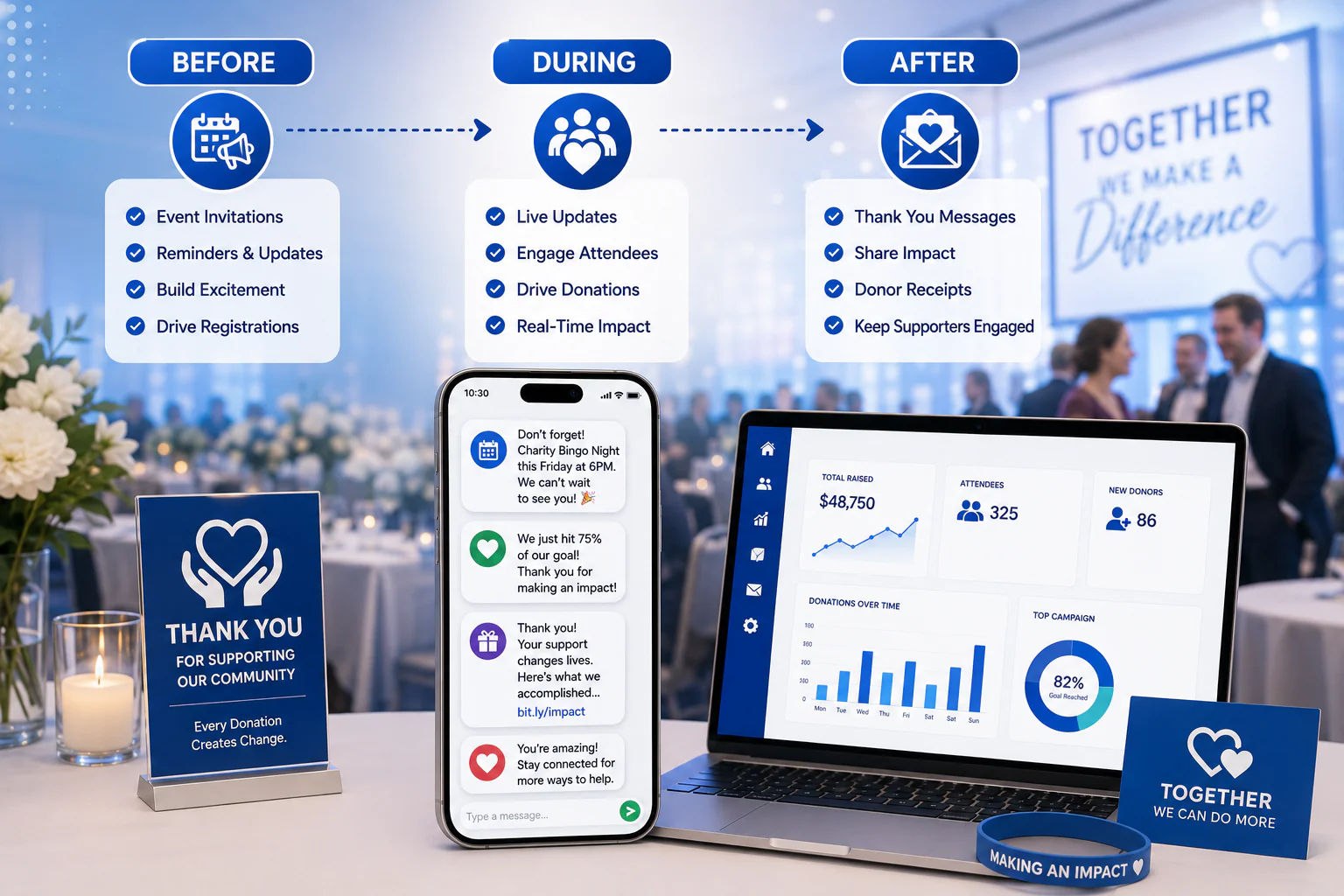
Successful charity fundraising nights are not built on the event itself alone. They are built on communication.
From the first invitation to the final thank-you message, every interaction shapes how attendees feel, engage, donate, and return for future events. Yet many nonprofits and charity gaming operators focus almost entirely on promotion before the event while neglecting communication during and after the fundraiser.
This creates a major missed opportunity.
Modern fundraising success depends on managing the entire event communication lifecycle — before, during, and after the event. With the right fundraising events software, charities can automate communication, improve attendance, strengthen donor relationships, and increase long-term retention.
Why Event Communication Matters More Than Ever
Fundraising events have become increasingly competitive. Donors are overwhelmed with invitations, campaigns, and requests for support.
Organizations can no longer rely on:
- One email blast
- Social media posts
- Last-minute reminders
Instead, charities need structured communication journeys that guide supporters through every stage of engagement.
Effective donor communication improves:
- Attendance rates
- Donor participation
- Engagement during the event
- Post-event retention
- Future fundraising success
Research consistently shows that timely, personalized communication significantly improves donor engagement and retention.
Understanding the Event Communication Lifecycle
The fundraising event communication lifecycle includes three stages:
- Before the event
- During the event
- After the event
Each stage serves a different purpose and requires different messaging strategies.
Organizations that manage all three stages effectively create stronger donor relationships and more sustainable fundraising programs.
Stage 1: Before the Event — Building Anticipation and Attendance
Pre-event communication is responsible for:
- Driving registrations
- Increasing attendance
- Building excitement
- Reducing no-shows
This phase often determines whether a fundraising event succeeds or struggles.
The Biggest Mistake Charities Make
Many organizations send:
- One announcement
- One reminder
- One final push
Then, hope attendees show up.
This inconsistent communication leads to:
- Lower attendance
- Reduced engagement
- Forgotten registrations
Instead, communication should follow a structured cadence.
The Essential Pre-Event Communication Sequence
1. Initial Announcement Campaign
This introduces:
- Event purpose
- Cause impact
- Date and location
- Registration link
The goal is awareness and early registrations.
Best channels:
- SMS
- Social media
- Website landing pages
SMS is especially effective for event reminders because messages are typically read within minutes.
2. Registration Confirmation
Once someone registers, immediate confirmation is critical.
This message should include:
- Event details
- Time and location
- Calendar links
- What to expect
Automated fundraising events software ensures confirmations are instant and consistent.
3. Reminder Campaigns
Reminder campaigns reduce no-shows significantly.
Effective reminders include:
- 1 week before
- 1 day before
- Same-day reminders
SMS reminders work particularly well for fundraising events because of their high open rates and immediacy.
4. Pre-Event Storytelling
One of the most effective engagement strategies is sharing impact stories before the event.
Examples:
- Beneficiary stories
- Volunteer highlights
- Past fundraising impact
- Community testimonials
This builds emotional connection before attendees arrive.
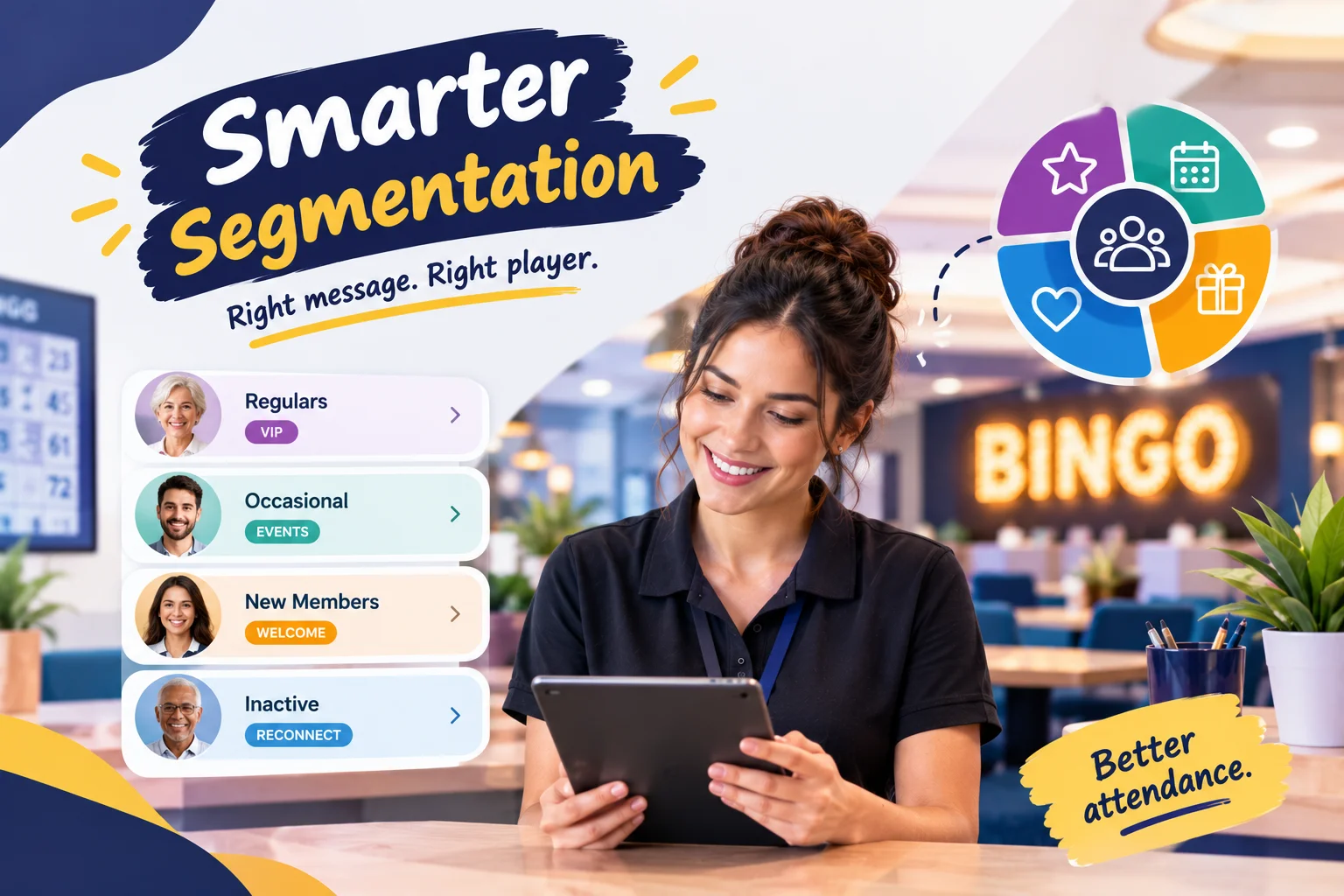
5. VIP and Donor Segmentation
Not every attendee should receive the same message.
Segmentation allows organizations to customize communication for:
- First-time attendees
- Major donors
- Sponsors
- Recurring supporters
- Volunteers
Personalized donor communication significantly improves engagement and retention.
Stage 2: During the Event — Real-Time Engagement
Many organizations stop communicating once the event starts.
This is a mistake.
The live event phase is critical for:
- Increasing participation
- Driving donations
- Encouraging interaction
- Creating memorable experiences
Real-Time Communication Strategies During Fundraising Nights
1. Live SMS Updates
During the event, SMS can be used for:
- Schedule reminders
- Donation pushes
- Prize announcements
- Auction updates
- Last-call participation alerts
This keeps attendees engaged in real time.
2. Donation Milestone Announcements
Sharing fundraising progress increases participation.
Examples:
- “We just reached 50% of our goal!”
- “Only $5,000 left to hit tonight’s target!”
Live fundraising momentum encourages additional giving.
3. Gamification and Interactive Engagement
Fundraising events software can support:
- Live leaderboards
- Donation competitions
- Prize tracking
- Interactive voting
These features increase engagement and energy.
4. Volunteer and Staff Coordination
Communication during events is not just attendee-facing.
Internal communication is equally important for:
- Volunteer coordination
- Schedule adjustments
- Operational updates
- Emergency communication
Centralized communication tools improve event execution.
5. Social Sharing Encouragement
Encouraging attendees to share:
- Photos
- Check-ins
- Donations
- Event experiences
Helps expand reach organically.
Stage 3: After the Event — Where Donor Retention Actually Happens
The event may end, but donor engagement should not.
Post-event communication is where organizations:
- Build loyalty
- Retain donors
- Increase repeat attendance
- Turn attendees into long-term supporters
Unfortunately, this is the phase many charities neglect.
Why Post-Event Follow-Up Matters
Research shows that timely follow-up significantly increases donor retention and future participation.
Attendees who feel appreciated and informed are far more likely to:
- Donate again
- Attend future events
- Become recurring supporters
The Essential Post-Event Communication Sequence
1. Immediate Thank-You Messages
Thank-you communication should happen within 24–48 hours.
Best practices include:
- Personalized messages
- Mentioning the donor’s contribution
- Expressing genuine appreciation
Prompt thank-you outreach improves donor trust and retention.
2. Donation Receipts and Confirmation
Organizations should quickly provide:
- Tax receipts
- Donation confirmations
- Transaction summaries
Transparency builds credibility.
3. Event Recap Communication
A few days after the event, send:
- Photos
- Videos
- Success highlights
- Total funds raised
- Community impact updates
Sharing impact reinforces emotional connection.
4. Ongoing Impact Updates
Donors want to know:
- Where the money went
- Who benefited
- What changed because of their support
Impact reporting is one of the strongest drivers of donor retention.
5. Future Engagement Campaigns
Post-event follow-up should guide supporters toward:
- Future events
- Monthly giving
- Volunteer opportunities
- Loyalty programs
- Community involvement
Fundraising events should become the beginning of a long-term donor journey—not a one-time transaction.
The Role of Fundraising Events Software
Managing the full communication lifecycle manually is difficult.
Purpose-built fundraising events software helps organizations automate:
- Event invitations
- SMS reminders
- Registration confirmations
- Live event messaging
- Post-event follow-up
- Donor segmentation
- Attendance tracking
- Retention campaigns
Automation ensures consistency and scalability.
Why SMS Is Becoming Essential for Fundraising Events
SMS marketing is increasingly central to nonprofit communication because:
- Messages are seen immediately
- Open rates are extremely high
- Reminders reduce no-shows
- Engagement feels personal
Many charities now use SMS throughout the full event lifecycle—not just for reminders.
Key Features to Look for in Fundraising Events Software
Organizations should prioritize systems that include:
- SMS automation
- Email marketing integration
- Donor segmentation
- Attendance tracking
- Event registration management
- Post-event workflows
- Multi-channel communication
- Analytics and reporting
These features create a complete engagement system.
Common Event Communication Mistakes
Many fundraising organizations struggle because they:
- Stop communication after the event
- Send generic messaging
- Ignore segmentation
- Fail to personalize outreach
- Communicate inconsistently
- Lack automation
These mistakes reduce donor retention and event ROI.
Final Thoughts
The most successful charity fundraising nights are not driven by one great event—they are driven by a complete communication strategy.
Before the event, communication builds anticipation and attendance. During the event, it drives engagement and participation. After the event, it strengthens donor relationships and improves long-term retention.
With modern fundraising events software, charities can automate and optimize the entire communication lifecycle—turning one-night events into lasting supporter relationships and sustainable fundraising growth.