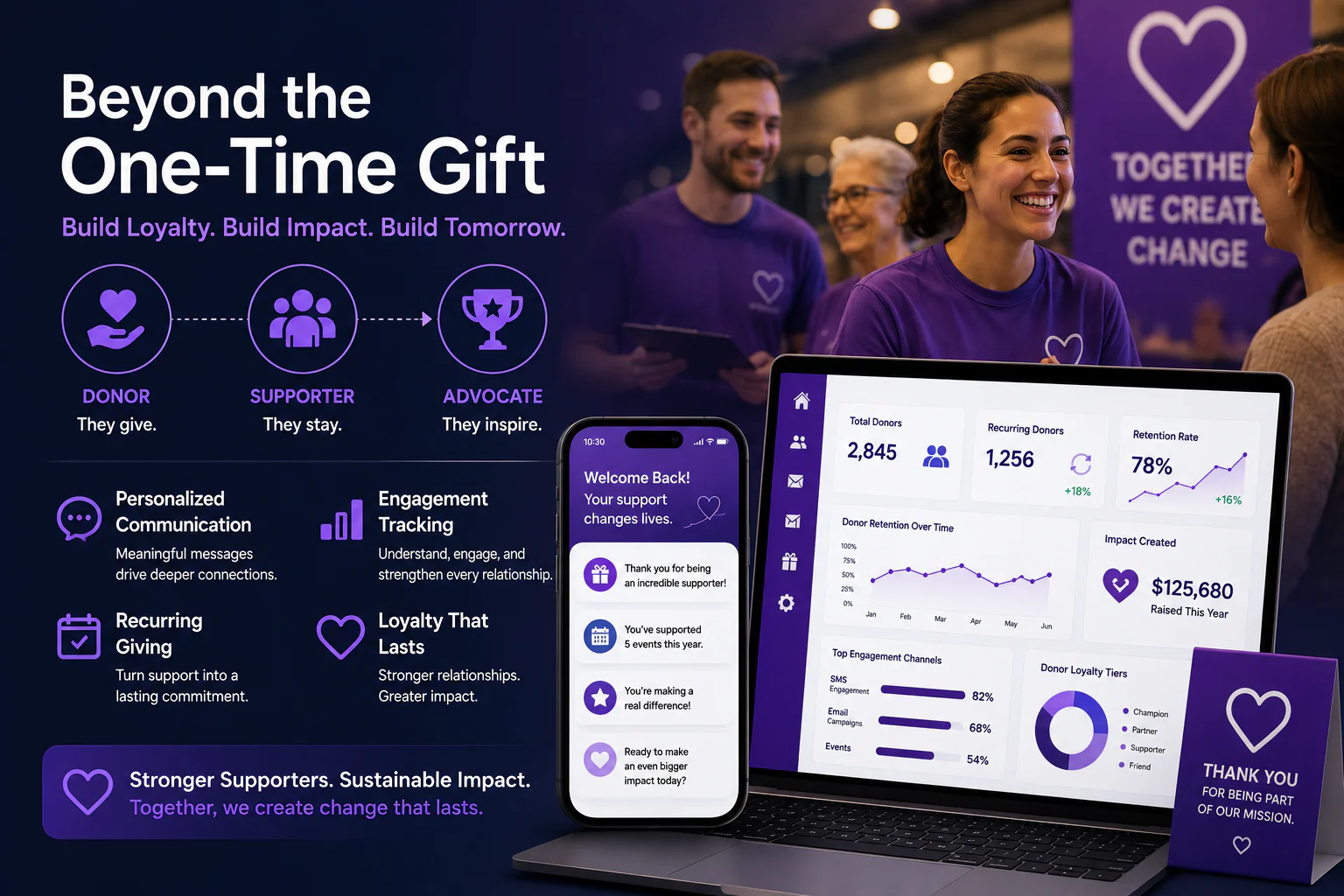
For many nonprofits, the hardest part of fundraising is not getting the first donation.
It is getting the second one.
Organizations spend enormous time and money attracting donors through:
- Fundraising campaigns
- Charity events
- Social media promotion
- Community outreach
- Email marketing
But after someone contributes, engagement often fades quickly.
The donor receives:
- A receipt
- A thank-you email
- Maybe a newsletter later
Then communication becomes inconsistent—or disappears entirely.
This creates one of the biggest challenges in nonprofit fundraising today:
Low donor retention.
That is why more organizations are shifting from transactional fundraising toward long-term donor engagement strategies powered by nonprofit loyalty programs.
Modern donor engagement software helps nonprofits build ongoing relationships, strengthen supporter habits, and convert one-time contributors into recurring supporters through personalized communication, automated engagement, and loyalty-based retention systems.
Why Donor Retention Matters More Than Donor Acquisition
Most nonprofits focus heavily on acquisition because new donations feel urgent.
But acquisition is expensive.
Retaining existing supporters is significantly more cost-effective than constantly replacing lost donors. Donor retention studies consistently show that long-term supporters generate substantially greater lifetime value than one-time contributors.
Yet donor retention remains one of the biggest weaknesses across the nonprofit sector.
Many organizations lose a large percentage of first-time donors after the initial contribution simply because ongoing engagement is weak or inconsistent.
This creates a continuous fundraising cycle:
- Acquire donors
- Lose donors
- Replace donors
- Repeat
It becomes unsustainable.
Recurring supporters change this equation completely.
The Difference Between a One-Time Donor and a Loyal Supporter
A one-time donor makes a transaction.
A recurring supporter builds a relationship.
That difference matters enormously.
Loyal supporters:
- Donate repeatedly
- Attend events
- Share campaigns
- Volunteer
- Advocate publicly
- Participate in the nonprofit community
The goal of modern nonprofit engagement is not just collecting donations.
It is building long-term supporter behavior.
What Is a Nonprofit Loyalty Program?
A nonprofit loyalty program is a structured engagement system designed to encourage ongoing donor participation, recurring giving, and long-term relationship building.
Unlike traditional retail loyalty programs focused on purchases and discounts, nonprofit loyalty systems focus on:
- Engagement
- Participation
- Recognition
- Community involvement
- Retention behavior
These programs often include:
- Recurring donor campaigns
- Personalized communication
- Attendance tracking
- Donor milestones
- Volunteer engagement
- Event participation rewards
- Automated outreach
The objective is to strengthen emotional connection over time.
Why Traditional Fundraising Models Often Fail
Traditional nonprofit fundraising often focuses only on campaigns.
The cycle looks like this:
- Launch fundraiser
- Collect donations
- Send a thank-you message
- Go silent until the next campaign
This creates gaps in donor engagement.
When communication only appears during fundraising pushes, supporters begin to feel transactional rather than valued.
Modern donors increasingly expect:
- Personalized communication
- Ongoing updates
- Community interaction
- Transparent impact reporting
Organizations that fail to maintain engagement struggle with retention.
How Loyalty Programs Change Donor Behavior
Loyalty systems work because they create consistency.
Instead of relying on occasional fundraising appeals, nonprofits build continuous engagement loops that keep supporters connected year-round.
This changes donor psychology from:
“I donated once.”
To:
“I’m part of this mission.”
That shift dramatically improves recurring giving behavior.
The Core Components of a Nonprofit Loyalty Program
1. Personalized Donor Communication
Generic donor outreach no longer performs well.
Modern donor engagement software allows nonprofits to personalize:
- SMS messages
- Email campaigns
- Event invitations
- Milestone recognition
- Donation follow-ups
Examples include:
- “Thank you for supporting our scholarship fund again this month.”
- “You’ve now supported 5 community events this year.”
Personalization strengthens emotional connection and donor loyalty.
2. Recurring Giving Workflows
Recurring giving is one of the strongest indicators of donor loyalty.
Loyalty systems help nonprofits automate:
- Monthly giving reminders
- Renewal campaigns
- Recurring donor onboarding
- Contribution confirmations
- Anniversary recognition
Automation ensures communication stays consistent.
3. Donor Milestone Recognition
Recognition is a powerful retention driver.
Supporters want to feel appreciated and valued.
Nonprofit loyalty programs can track:
- Years of support
- Event attendance
- Volunteer participation
- Donation milestones
- Campaign involvement
Acknowledging these milestones reinforces commitment.
4. Event Participation Tracking
Engagement is not limited to donations.
Modern donor engagement systems also track:
- Fundraising event attendance
- Volunteer participation
- Community involvement
- Campaign engagement
This creates a broader understanding of supporter behavior.
5. Automated Follow-Up Campaigns
One of the biggest nonprofit weaknesses is inconsistent follow-up.
Donor engagement software automates:
- Thank-you campaigns
- Impact updates
- Re-engagement messages
- Win-back outreach
- Recurring giving invitations
This improves long-term retention dramatically.
Why SMS Marketing Is Becoming Essential for Donor Loyalty
Email inboxes are crowded.
Social media visibility is unpredictable.
SMS marketing has become increasingly important because:
- Messages are seen quickly
- Communication feels personal
- Reminder visibility is high
- Engagement rates are strong
Nonprofits now use SMS for:
- Donation reminders
- Event invitations
- Volunteer coordination
- Recurring giving prompts
- Impact updates
SMS strengthens real-time donor engagement.
The Importance of Donor Lifecycle Management
Not all donors are at the same stage.
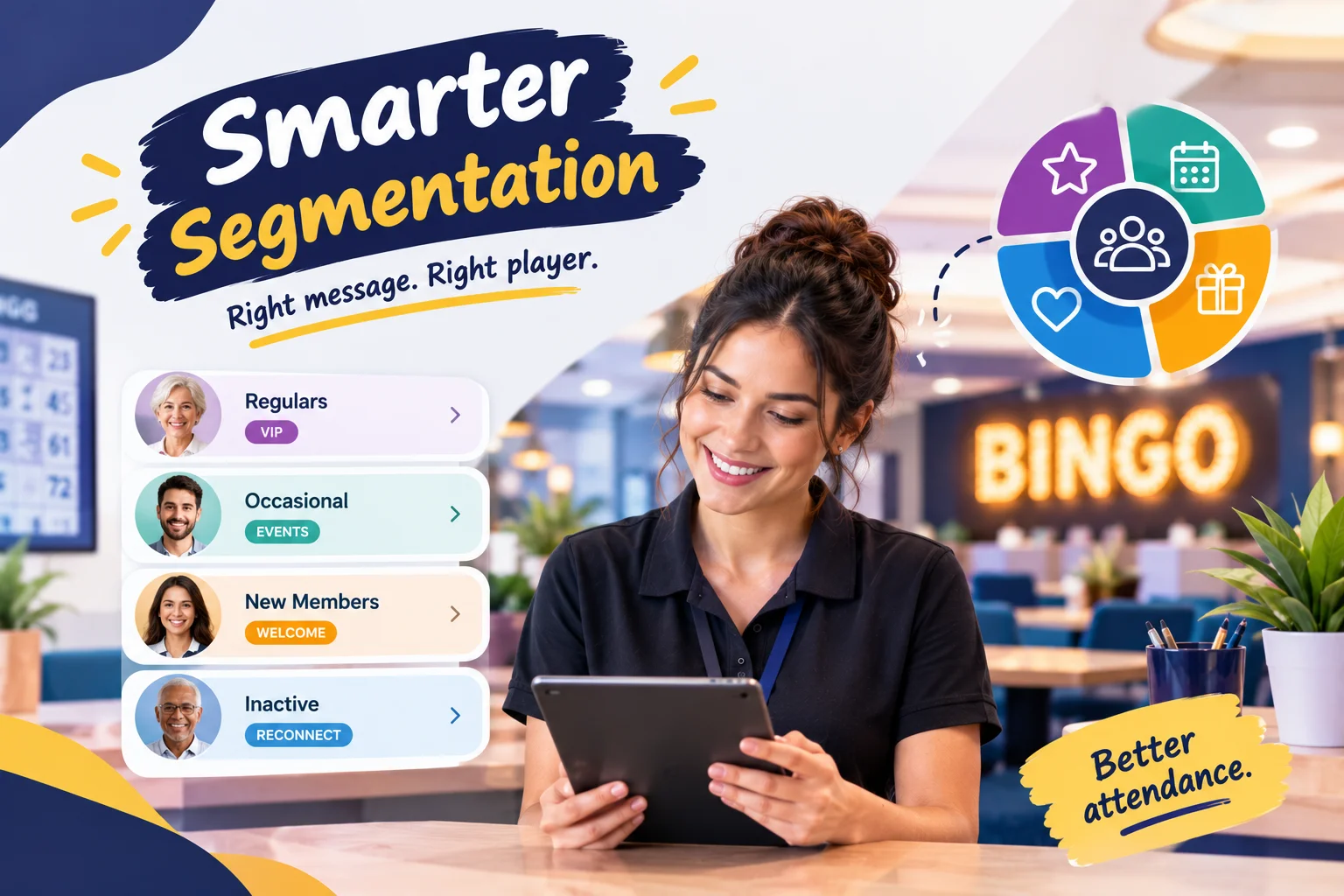
Effective nonprofit loyalty programs recognize different donor lifecycle phases:
- First-time donors
- Active recurring supporters
- Event attendees
- Volunteers
- Lapsed donors
- Major contributors
Each group requires different communication strategies.
Segmentation improves relevance and engagement.
How Loyalty Programs Improve Recurring Giving
Recurring donors rarely emerge automatically.
Most become recurring supporters because organizations consistently:
- Engage them
- Communicate impact
- Personalize outreach
- Maintain emotional connection
Loyalty systems support this process by creating structured engagement journeys.
Emotional Connection Is the Real Driver of Retention
Nonprofit loyalty is not about discounts or rewards.
It is about belonging.
Donors continue supporting organizations when they:
- Feel emotionally connected
- See measurable impact
- Receive recognition
- Feel included in the mission
Technology helps scale this emotional engagement.
Common Donor Retention Mistakes
Many nonprofits unintentionally weaken loyalty by:
- Communicating only during campaigns
- Sending generic messaging
- Ignoring donor milestones
- Failing to personalize outreach
- Neglecting post-event follow-up
- Losing visibility into donor behavior
These issues reduce recurring support.
How Donor Engagement Software Solves These Problems
Purpose-built donor engagement software centralizes:
- Donor communication
- Attendance tracking
- SMS marketing
- Loyalty campaigns
- Event participation
- Retention analytics
This creates one unified engagement system.
Organizations can:
- Track supporter behavior
- Automate outreach
- Improve personalization
- Strengthen retention workflows
At scale.
Key Features Nonprofits Should Prioritize
When evaluating nonprofit loyalty software, organizations should prioritize:
- Automated donor communication
- SMS marketing integration
- Donor segmentation
- Recurring giving workflows
- Event attendance tracking
- Volunteer engagement tools
- Donor lifecycle reporting
- Retention analytics
- Personalized campaign automation
These features support sustainable donor growth.
Signs Your Nonprofit Needs a Loyalty-Based Engagement Strategy
Organizations often need stronger donor engagement systems when:
- One-time donations dominate fundraising
- Donor retention declines
- Communication feels inconsistent
- Recurring giving remains low
- Engagement drops after events
- Supporters disappear after campaigns
These are relationship management problems—not simply fundraising problems.
The Future of Nonprofit Fundraising Is Relationship-Based
The nonprofit sector is shifting away from campaign-only fundraising models toward continuous engagement ecosystems.
The organizations that grow sustainably will be those that:
- Retain supporters
- Build recurring donor habits
- Personalize communication
- Automate engagement
- Create community connection
Loyalty infrastructure makes this possible.
Final Thoughts
Nonprofits cannot build sustainable growth by relying solely on one-time donations and occasional fundraising campaigns.
Long-term impact depends on turning supporters into recurring contributors who stay connected to the mission over time.
Nonprofit loyalty programs help organizations accomplish this by combining donor engagement software, personalized communication, automated workflows, attendance tracking, and recurring giving strategies into one unified retention system.
The result is stronger donor relationships, improved recurring support, higher retention, and a more sustainable fundraising future built on long-term engagement instead of one-time transactions.