Customer relationship management software is widely used across industries. Platforms like HubSpot, Salesforce, and Zoho are designed to track customers, manage sales pipelines, and automate marketing campaigns. Because of their popularity, many bingo hall operators consider using these systems to manage their players.
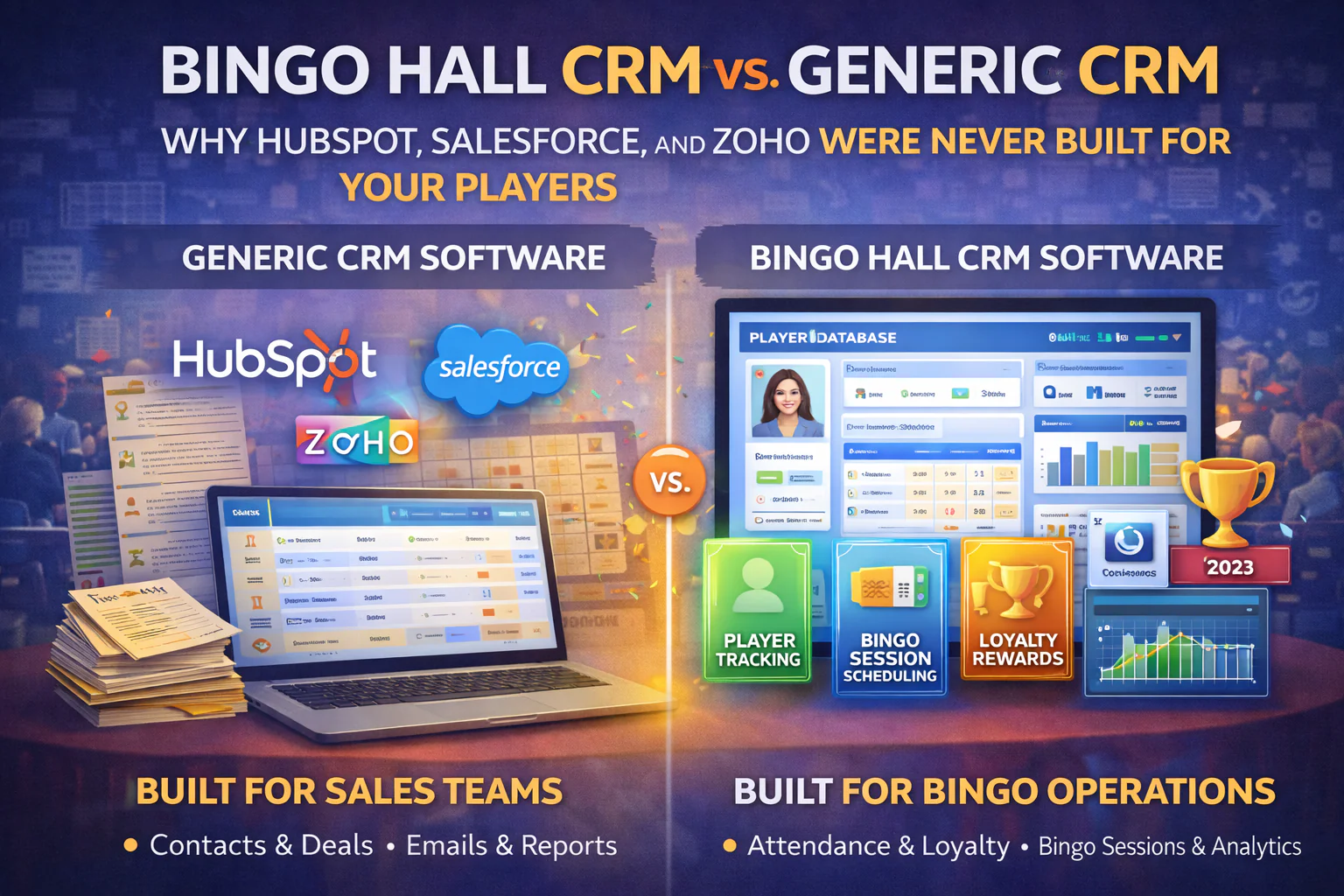
At first glance, generic CRM platforms seem like a good fit. They offer contact management, email marketing, reporting, and automation. However, once bingo halls begin using them, major limitations quickly appear. These systems were built for sales teams and business pipelines — not for managing bingo players, sessions, attendance, and charity gaming operations.
A purpose-built bingo hall CRM is designed specifically for how bingo halls operate. It tracks players, attendance, promotions, loyalty, and session activity in ways generic CRM platforms cannot.
Understanding the difference between generic CRM tools and bingo hall CRM software is essential for choosing the right system.
What Generic CRM Platforms Are Designed For
Generic CRM platforms like HubSpot, Salesforce, and Zoho are built primarily for:
- Sales pipeline management
- Lead tracking
- Customer lifecycle tracking
- Email marketing automation
- Deal forecasting
- Account management
- Customer support tracking
These tools assume a traditional business model where leads move through stages such as prospect, qualified lead, proposal, and closed deal. They are structured around sales opportunities and revenue pipelines.
Bingo halls operate very differently. There are no sales pipelines, no deal stages, and no long-term contracts. Instead, bingo halls need to track players who attend recurring sessions, purchase cards, participate in promotions, and return regularly.
Because generic CRM systems are not designed for this operational model, they require extensive customization and still fail to meet key needs.
Why Bingo Halls Try Generic CRM First
Many bingo halls start with generic CRM software because:
- It’s widely known
- It offers free or low-cost tiers
- It includes email marketing tools
- It tracks contacts
- It provides reporting dashboards
Initially, this seems enough to manage player lists and send promotions. But as operations grow, the limitations become clear.
Generic CRM tools lack:
- Attendance tracking
- Session-based player history
- Bingo promotion tracking
- Loyalty program management
- Prize tracking
- Charity session tracking
- Player frequency analytics
These gaps make generic CRM software inefficient for bingo operations.
The Biggest Problem: Generic CRM Doesn’t Understand Bingo Players
Sales CRMs track leads. Bingo hall CRMs track players.
This difference is critical.
Bingo halls need to know:
- How often players attend
- Which sessions do they attend
- Which promotions do they respond to
- Player spending patterns
- Loyalty status
- Attendance gaps
- VIP players
- At-risk players
Generic CRM systems track contact interactions, not session-based player behavior. This makes it difficult to understand attendance trends or player engagement.
Without this insight, bingo halls cannot effectively improve turnout.
No Attendance Tracking
Attendance is one of the most important metrics for bingo halls. Operators need to track:
- Player check-ins
- Session attendance history
- Weekly attendance trends
- Frequency of visits
- New vs returning players
- Player inactivity
Generic CRM platforms do not include attendance tracking. Everything must be manually recorded or managed in spreadsheets.
Purpose-built bingo hall CRM software automatically logs attendance and builds player histories.
This allows operators to identify:
- Regular players
- Occasional players
- Declining attendance
- New player growth
These insights are essential for retention marketing.
No Player Loyalty Tracking
Loyalty programs are common in bingo halls. Operators often reward:
- Frequent attendance
- High spending players
- VIP members
- Long-term players
- Charity supporters
Generic CRM systems are not built to track loyalty based on attendance or gameplay activity. They require complex customization that is difficult to maintain.
Bingo hall CRM software includes:
- Loyalty tracking
- Points systems
- VIP tiers
- Visit-based rewards
- Promotion tracking
This makes it easier to encourage repeat visits.
No Session-Based Player Data
Bingo halls operate in sessions. Each session may include:
- Different charities
- Different prizes
- Different attendance
- Different promotions
- Different player groups
Generic CRM systems store data at the contact level, not the session level. This makes it impossible to analyze:
- Which sessions perform best
- Which players attend specific sessions
- Promotion effectiveness
- Charity-based attendance
Purpose-built bingo CRM software tracks player activity by session automatically.
Marketing Automation Built for Sales, Not Attendance
Generic CRM platforms excel at sales automation, such as:
- Lead nurturing
- Deal follow-ups
- Sales reminders
- Proposal automation
But bingo halls need marketing automation for:
- Session reminders
- Weekly schedules
- Prize announcements
- Player reactivation
- VIP invitations
- Birthday rewards
Generic CRM systems can send emails, but they lack attendance-driven automation.
Bingo hall CRM software sends:
- “You haven’t visited in 2 weeks” reminders
- Weekly session announcements
- VIP player invites
- Loyalty milestone rewards
- Event-based promotions
This increases attendance automatically.
No Player Segmentation for Bingo Halls
Segmentation is important for targeted marketing. Bingo halls need to segment players by:
- Attendance frequency
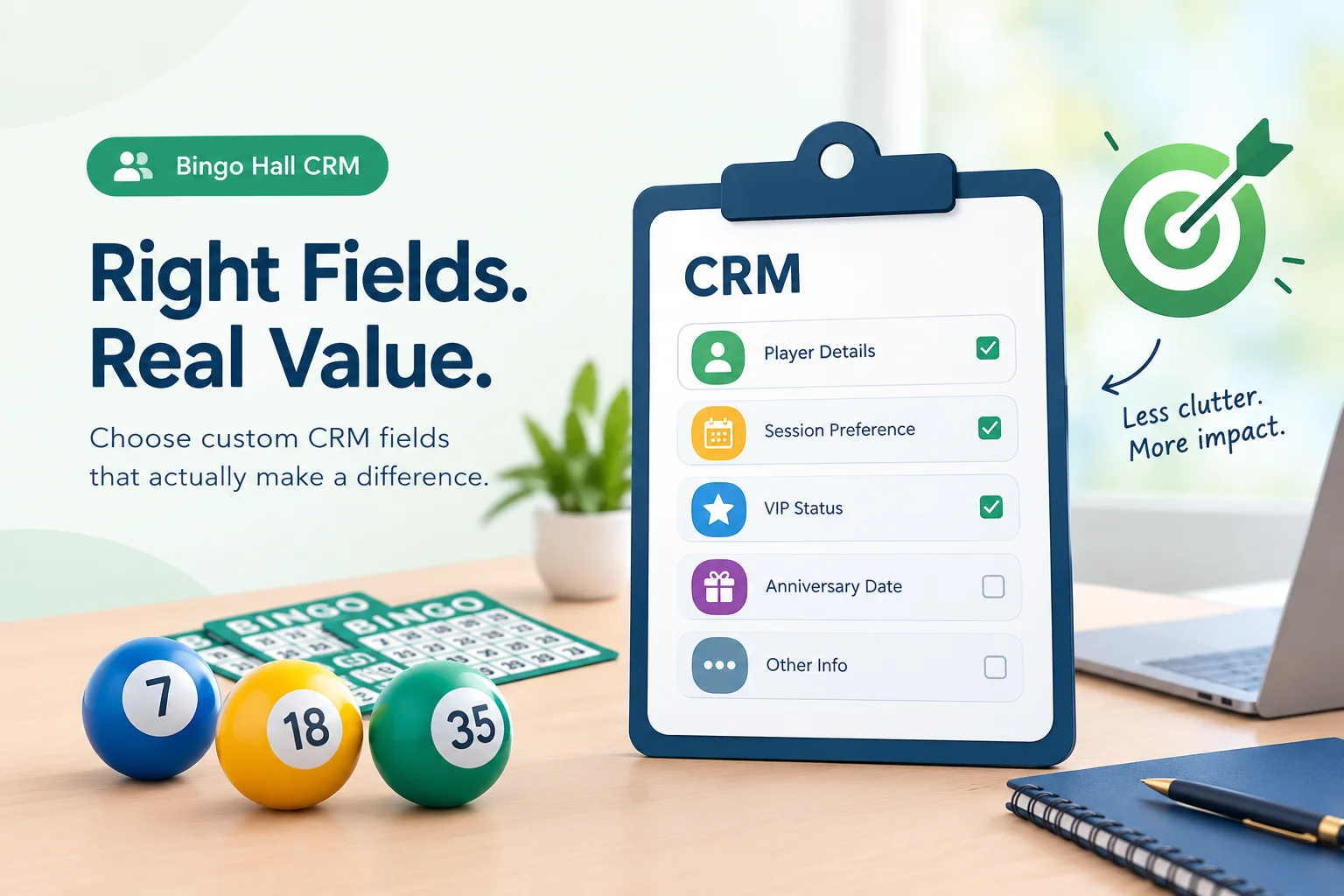
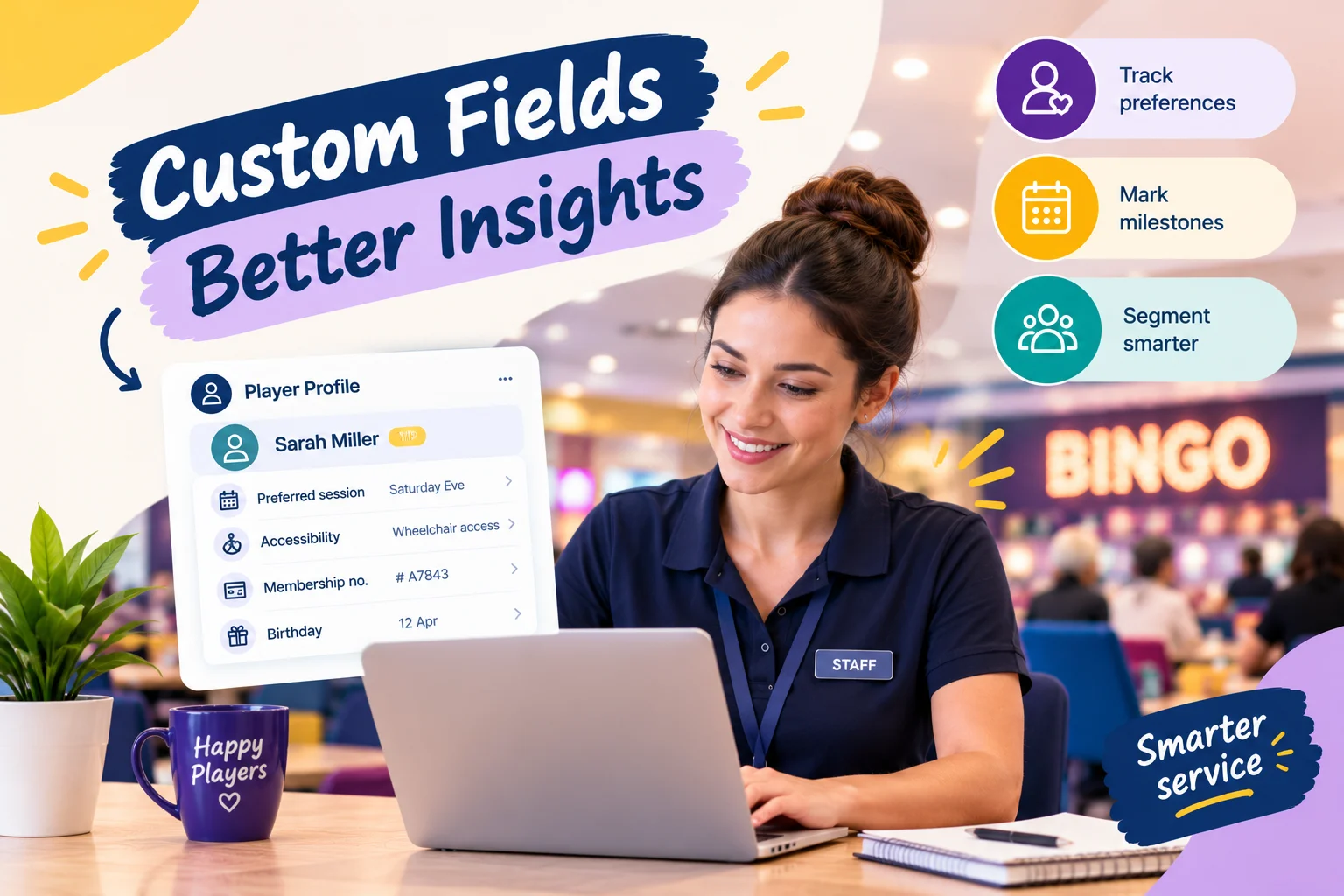
- Session preference
- Spending level
- Charity support
- Promotion response
- VIP status
Generic CRM platforms allow segmentation, but they do not automatically generate these categories.
Bingo CRM software automatically segments:
- Regular players
- At-risk players
- New players
- VIP players
- Weekend-only players
- High-value players
This improves marketing precision.
Reporting Limitations in Generic CRM
Generic CRM reports focus on:
- Leads
- Deals
- Sales revenue
- Campaign performance
Bingo halls need reports like:
- Attendance trends
- Player frequency
- Session popularity
- Player retention
- Promotion performance
- VIP player activity
- New player growth
These reports are not available in generic CRM systems.
Purpose-built bingo CRM software includes these dashboards by default.
No Integration With Bingo Operations
Generic CRM platforms operate separately from bingo hall workflows. They do not connect with:
- Session scheduling
- POS systems
- Player check-in
- Loyalty programs
- Promotions
- Attendance tracking
This forces operators to manage multiple disconnected systems.
Bingo hall CRM software integrates directly with operations, creating one unified system.
The Cost of Using the Wrong CRM
Using generic CRM software often leads to:
- Manual data entry
- Multiple spreadsheets
- Inaccurate attendance tracking
- Poor player insights
- Weak retention marketing
- Lower turnout
- Missed revenue opportunities
While generic CRM software may seem affordable initially, the operational inefficiencies can cost more over time.
Purpose-built bingo hall CRM software reduces manual work and improves attendance.
What Bingo Hall CRM Software Does Instead
A purpose-built bingo hall CRM is designed specifically for player management and attendance growth.
Key capabilities include:
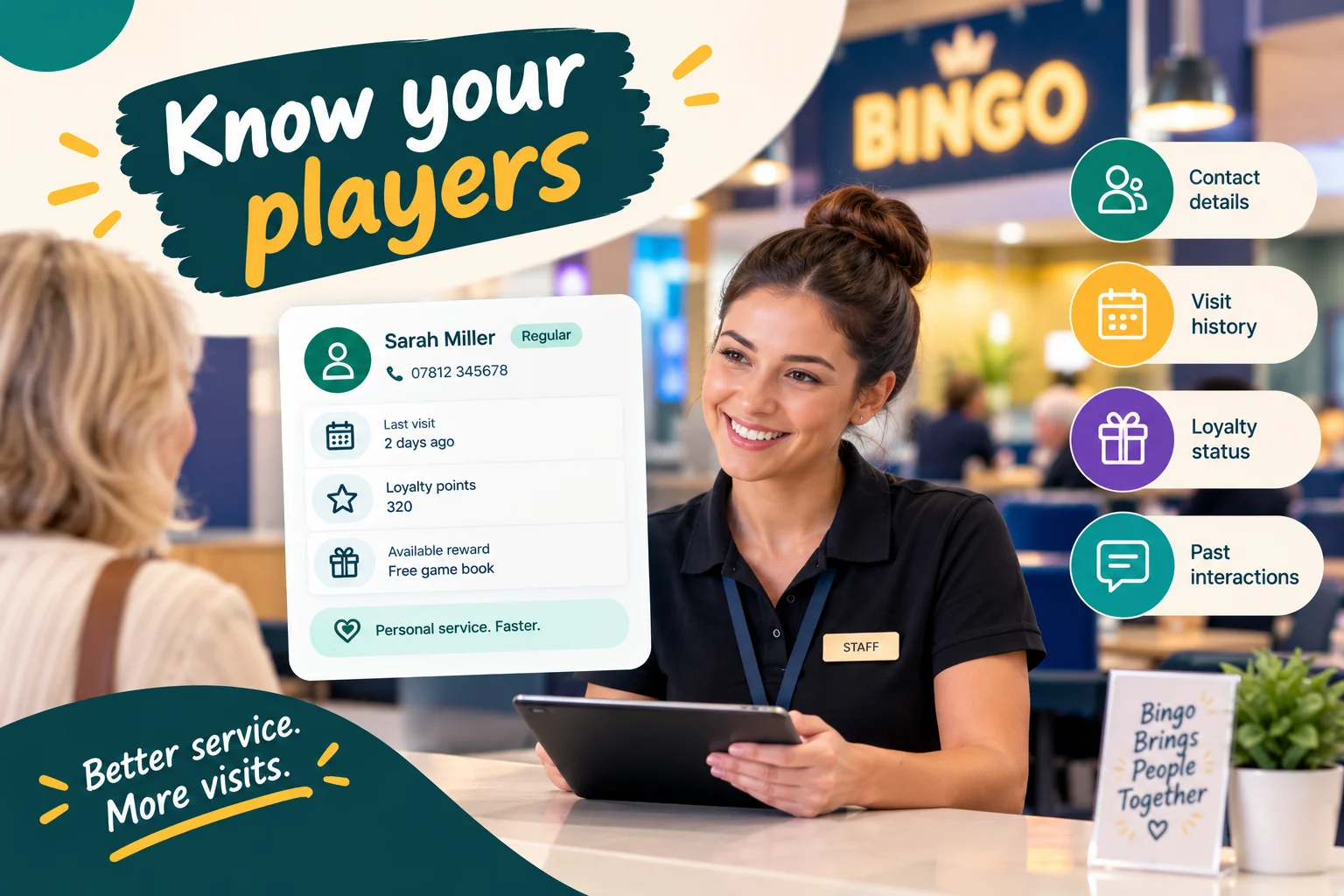
- Player database management
- Attendance tracking
- Session-based player history
- Loyalty program tracking
- Player segmentation
- Marketing automation
- Email and SMS campaigns
- VIP player tracking
- Promotion management
- Attendance analytics
- Retention tracking
These features help bingo halls grow attendance and improve player engagement.
When to Switch from Generic CRM to Bingo Hall CRM
It may be time to switch if your bingo hall:
- Tracks attendance manually
- Uses spreadsheets for player lists
- Cannot identify regular players
- Struggles with retention
- Sends generic marketing emails
- Lacks player insights
- Uses disconnected systems
A bingo hall CRM solves these challenges.
Final Thoughts
Generic CRM platforms like HubSpot, Salesforce, and Zoho are powerful tools for sales organizations, but they were never designed for bingo hall operations. They lack attendance tracking, loyalty management, session-based data, and player analytics — all essential for managing bingo players effectively.
Purpose-built bingo hall CRM software is designed around how bingo halls actually operate. It tracks player behavior, automates marketing, improves retention, and helps fill seats consistently.
For bingo halls focused on growth, player engagement, and operational efficiency, a dedicated bingo hall CRM provides far more value than a generic CRM ever could.