Fundraising is more competitive than ever. Donors are overwhelmed with campaigns, emails, and requests for support. Simply asking for donations is no longer enough. Organizations that stand out are the ones creating engaging experiences — not just transactions. This is where fundraising gamification comes in.
Fundraising gamification turns participation into an interactive experience using contests, points, leaderboards, challenges, and rewards. Instead of a one-time donation, supporters become active participants. They return more often, compete with others, unlock milestones, and share campaigns with friends. The result is higher engagement, stronger loyalty, and increased fundraising performance.
This guide explains what fundraising gamification is, how it works, why nonprofits use it, and how you can implement it effectively.
What Is Fundraising Gamification?
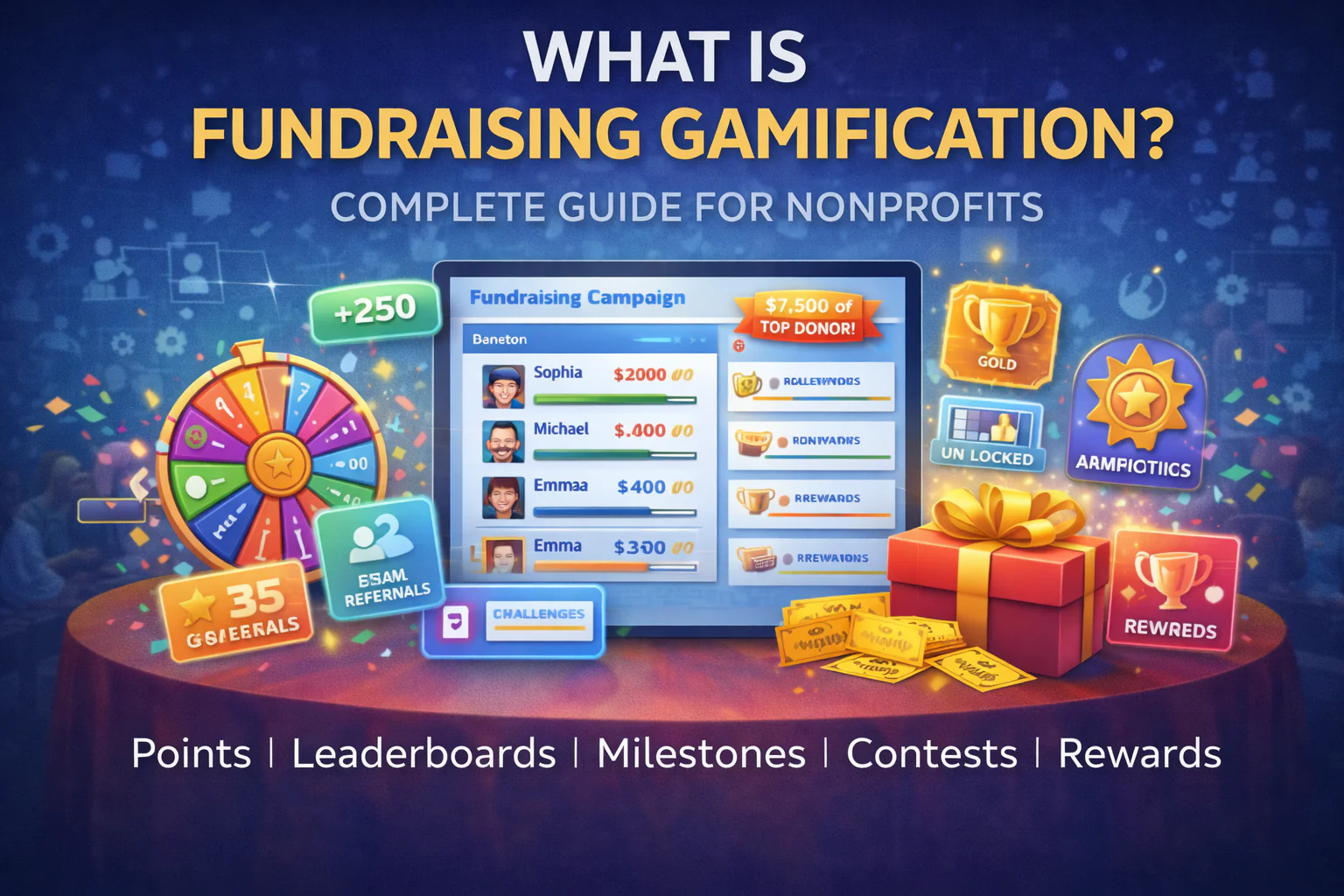
Fundraising gamification is the use of game mechanics in fundraising campaigns to encourage participation and motivate donors. These mechanics include leaderboards, challenges, milestones, rewards, contests, and referral bonuses.
Rather than simply asking for donations, gamified fundraising introduces interactive elements that make participation more engaging. Supporters earn points, compete on leaderboards, unlock rewards, and complete challenges. This transforms fundraising into a dynamic and engaging experience.
Gamification works because it taps into natural human motivations:
- Competition
- Achievement
- Recognition
- Rewards
- Progress tracking
- Social participation
When these elements are combined, donors are more likely to stay engaged and contribute repeatedly.
Why Gamification Works for Nonprofits
Nonprofits rely heavily on donor engagement. The more involved supporters feel, the more likely they are to contribute. Gamification increases engagement by making participation interactive and rewarding.
Here’s why gamification is effective:
Increases Donor Participation
Gamification encourages users to take action. Instead of passive supporters, donors actively participate in challenges, contests, and goals.
Encourages Repeat Donations
Points, milestones, and rewards motivate donors to return and contribute again.
Creates Friendly Competition
Leaderboards encourage supporters to compete, increasing donation amounts.
Boosts Social Sharing
Gamified campaigns often include referral incentives that encourage sharing.
Improves Campaign Visibility
Interactive campaigns generate more excitement and engagement.
Builds Long-Term Loyalty
Gamification keeps donors involved beyond a single campaign.
How Fundraising Gamification Works
Gamification campaigns follow a simple structure:
Step 1: Set a Campaign Goal
Define the objective. This could be:
- Raise a specific amount
- Increase participation
- Grow email list
- Encourage referrals
- Promote an event
Step 2: Add Game Mechanics
Introduce interactive elements such as:
- Points system
- Leaderboards
- Challenges
- Rewards
- Milestones
- Contests
Step 3: Encourage Participation
Supporters take actions like:
- Donating
- Referring friends
- Sharing campaigns
- Completing challenges
- Joining teams
Step 4: Track Progress
Participants see their progress through:
- Leaderboards
- Progress bars
- Points tracking
- Campaign goals
Step 5: Reward Engagement
Participants earn rewards such as:
- Prizes
- Recognition
- Bonus entries
- Discounts
- Exclusive access
Gamification Features for Nonprofit Campaigns
Effective fundraising gamification includes several features that drive engagement.
Leaderboards
Leaderboards show top donors or participants. This creates competition and encourages higher contributions.
Points System
Participants earn points for actions like donating, sharing, or referring others.
Milestone Rewards
Rewards are unlocked when participants reach goals.
Referral Contests
Supporters earn rewards for inviting others.
Bonus Challenges
Limited-time challenges increase urgency.
Prize Drawings
Participants qualify for prizes based on engagement.
Progress Bars
Visual progress encourages users to help reach goals.
Team Competitions
Groups compete to raise the most funds.
Gamification Ideas for Nonprofits
Nonprofits can use gamification in many ways.
Donation Leaderboards
Display top donors to encourage competition.
Referral Campaigns
Reward supporters for inviting others.
Team Fundraising Challenges
Teams compete to reach goals.
Milestone Unlocks
Rewards unlocked at donation levels.
Spin-to-Win Promotions
Participants receive random rewards.
Bonus Donation Days
Limited-time multipliers.
Participation Contests
Reward the most active supporters.
Achievement Badges
Users earn badges for participation.
Benefits of Fundraising Gamification
Gamification provides several advantages.
Higher Engagement
Interactive campaigns encourage participation.
More Donations
Competition motivates larger contributions.
Repeat Participation
Rewards encourage return visits.
Increased Sharing
Referral incentives boost visibility.
Stronger Loyalty
Gamification builds long-term supporters.
Better Campaign Performance
Gamified campaigns outperform static campaigns.
Gamification for Nonprofits — Complete Guide
Nonprofits face unique challenges. Limited budgets, donor fatigue, and competition make engagement difficult. Gamification helps solve these issues by making fundraising interactive.
Nonprofit Gamification Strategies
Peer-to-Peer Campaigns
Supporters create their own fundraising pages.
Event-Based Gamification
Gamify fundraising events.
Volunteer Challenges
Reward volunteer participation.
Social Sharing Campaigns
Encourage supporters to share campaigns.
Donation Milestones
Unlock rewards at donation thresholds.
Who Should Use Fundraising Gamification
Gamification is ideal for:
- Nonprofits
- Schools
- Churches
- Charities
- Fundraising events
- Community organizations
- Campaign managers
- Marketing teams
Best Practices for Gamified Fundraising
Keep It Simple
Avoid overly complex rules.
Offer Meaningful Rewards
Rewards should motivate participation.
Show Progress Clearly
Visual tracking increases engagement.
Encourage Sharing
Referral incentives increase reach.
Create Urgency
Limited-time challenges boost activity.
Common Gamification Mistakes
Avoid these mistakes:
- Too many rules
- Confusing reward structure
- No progress tracking
- Weak incentives
- No competition
- Lack of promotion
Getting Started With Fundraising Gamification
To start:
- Choose a campaign goal
- Select game mechanics
- Define rewards
- Launch campaign
- Track performance
- Optimize engagement
FAQs
What is fundraising gamification?
Fundraising gamification uses contests, rewards, and challenges to increase engagement and donations.
How does gamification increase donations?
Gamification encourages participation through competition and rewards.
What gamification features work best?
Leaderboards, points, rewards, and referral contests work best.
Can nonprofits use gamification?
Yes, gamification is ideal for nonprofits and fundraising campaigns.
Does gamification increase engagement?
Yes, interactive campaigns drive higher participation.
Can gamification track results?
Yes, dashboards track engagement and performance.
Is gamification difficult to implement?
No, modern platforms make it easy to launch campaigns.